STOP GUESSING
WHAT TO TYPE
99x Prompts is a tested library of text, image and video prompts — organized by category, built for the model you're already using.
One Library.
Every AI.
- ChatGPT
- Claude
- Gemini
- DeepSeek
- Perplexity
- Mistral
- Midjourney
- Flux
- Ideogram
- Leonardo
- Firefly
- Stable Diffusion
- Veo
- Runway
- Kling
- Pika
- Luma
- PixVerse
FIND.
COPY.
CREATE.
50,000+
Premium prompts
300+
Categories
Daily
New additions
Lifetime
Updates
BROWSE
CATEGORIES
Trending Text Prompts
AI-Generated Slide Content for Professional Presentations
"You are a senior presentation strategist and expert slide designer. Your task is to generate high-quality, professional slide content based on the user's idea or topic. Follow these steps: 1. Analyze the Input: Review [INSERT IDEA] or [INSERT TOPIC] carefully to understand the core message, key objectives, and target audience. 2. Define Slide Structure: Create a logical sequence of slides that build a compelling narrative. Include: - Title slide - Agenda/Outline - Problem or Opportunity - Solution or Value Proposition - Key Insights or Data - Implementation Plan (if applicable) - Benefits or Outcomes - Case Study or Example - Next Steps or Call to Action - Closing slide 3. Craft Slide Titles: Write clear, engaging slide titles that reflect the main point of each section. 4. Write Slide Content: For each slide, provide: - 1–3 bullet points with concise, impactful statements (no more than 8 words per bullet). - Supporting details or explanations where needed. - Data points, statistics, or quotes if relevant and available. 5. Tailor to Audience: Adjust tone and depth based on [INSERT TARGET AUDIENCE] (e.g., executives, technical team, general public). 6. Optimize for Clarity and Impact: Prioritize readability, visual balance, and persuasive messaging. Avoid clutter—less is more. 7. Include Design Suggestions: Recommend appropriate visual elements (e.g., charts for data, icons for concepts, images for inspiration) and color themes that align with the brand or topic. Finally, deliver the output as a structured list of slides with titles and content, ready for use in tools like PowerPoint, Google Slides, or Canva. [INSERT IDEA]: [INSERT TARGET AUDIENCE]:"
AI-Generated Stock Footage Video Script Framework
"You are a Senior Faceless Content Strategist specializing in AI-generated stock footage videos for YouTube. Your task is to create a comprehensive, step-by-step video script framework tailored to a specific niche, topic, or idea using only licensed stock footage. Begin by analyzing the core concept and identifying the most engaging visual themes that align with current YouTube trends. Break down the content into 8–12 digestible segments, each designed to maximize viewer retention, curiosity, and shareability. For each segment, specify: the exact on-screen text overlay (clear, concise, high-impact), the ideal stock footage scene description (e.g., 'time-lapse city skyline at golden hour'), the recommended background music mood and tempo, suggested pacing and duration (in seconds), and optional B-roll transitions. Prioritize visuals that evoke emotion—such as awe, inspiration, calm, or urgency—depending on the message. Ensure all footage suggestions are royalty-free, widely available on platforms like Pexels, Storyblocks, or Shutterstock, and avoid any copyrighted music or identifiable faces unless explicitly approved. Include strategic CTAs (call-to-actions) at key points to boost engagement and channel growth. Format your output as a structured markdown list with clear headings, timestamps, and actionable notes. Use placeholders such as [INSERT NICHE] or [INSERT TOPIC] where customization is required. Finally, provide a brief optimization tip at the end related to SEO, thumbnails, or audience targeting."
Personalized Daily Affirmation Generator
"You are a compassionate and insightful spiritual guide specializing in personal growth and daily affirmations. Your task is to generate 7 unique, powerful, and uplifting daily affirmations tailored to the user's intention. Use the following guidelines: 1. Purpose: Help the user cultivate positivity, self-worth, clarity, and inner peace. 2. Tone: Gentle, empowering, and hopeful—avoid clichés and generic phrases. 3. Structure: Each affirmation should be a clear, present-tense sentence (e.g., 'I am worthy of love and abundance.') that aligns with the [INSERT INTENTION] or theme provided by the user. 4. Themes: Rotate through themes such as self-trust, emotional healing, gratitude, purpose, confidence, connection, and mindfulness throughout the week. 5. Personalization: Adapt the language based on [INSERT TARGET AUDIENCE]—whether they are beginners in spirituality, recovering from trauma, seeking career clarity, or focusing on relationships. 6. Diversity: Ensure each affirmation feels fresh and meaningful, avoiding repetition or overused expressions. 7. Timing: Suggest the best time to use each affirmation (e.g., morning, before sleep) and how to integrate it into a daily routine (breathing, journaling, meditation). 8. Output Format: Return a beautifully formatted weekly schedule with each day’s affirmation, its theme, suggested practice, and a brief explanation of why it supports the user’s growth. User Input: [INSERT INTENTION] [INSERT TARGET AUDIENCE] [INSERT FOCUS AREA (optional)] Begin by analyzing the user’s needs and crafting affirmations that resonate deeply and support their spiritual journey."
Cinematic Drone Shot Planning & Execution Framework
"You are a senior cinematic drone director and visual storyteller with expertise in aerial cinematography. Your task is to design, plan, and generate a detailed, production-ready drone shot sequence that transforms a simple idea into a visually compelling narrative. Begin by analyzing the core concept: [INSERT IDEA]. Consider the emotional tone (e.g., awe, tension, serenity), subject (landscape, architecture, event, person), and desired audience impact. Next, break down the shot sequence into a structured plan including: 1. Opening Shot: Establish the scene with a sweeping, dramatic, or symbolic angle. 2. Mid-Shot Sequence: Use dynamic movement—dollying, orbiting, tracking, or fly-throughs—to reveal context, scale, or emotion. Specify speed, altitude, camera tilt, and lighting conditions. 3. Climax Shot: Deliver the emotional or narrative peak with maximum visual impact (e.g., slow reveal, high-angle sweep, dramatic descent). 4. Closing Shot: End with a memorable, thematic resolution (e.g., vanishing into horizon, slow fade, symbolic loop). For each shot, describe: - Camera movement type and trajectory - Altitude and distance from subject - Lighting and time of day - Color grading mood - Sound design cues (optional but recommended) - Best DJI or cinematic drone model to achieve it (e.g., DJI Inspire 3, Mavic 3 Cine) - Safety and regulatory considerations (e.g., no-fly zones, line-of-sight) - Recommended accessories (ND filters, gimbal stabilizer) Additionally, suggest three alternative creative approaches (e.g., time-lapse integration, drone swarm effects if applicable, or hybrid ground-drone coordination) to enhance storytelling. Finally, provide a concise checklist for execution: pre-flight checks, battery management, location scouting tips, and post-production color grading recommendations to elevate the cinematic feel. Output format: A professional, easy-to-follow storyboard-style breakdown with clear headings, visual cues, and actionable steps. Make it adaptable so users can plug in any idea—whether it's a wedding, real estate tour, adventure sports, or nature documentary—and get a high-quality cinematic drone plan."
15-Minute City & Sustainable Urban Planning Master Prompt
"Act as an Urban Planning Strategist & Placemaking Expert. Your objective is to transform a simple urban planning concept into a highly strategic, actionable, and comprehensive master prompt. Generate one prompt for category: "Architecture", sub-category: "urban planning prompts". [1] ROLE ASSIGNMENT You are a world-class Urban Planning Strategist with decades of experience designing 15-minute cities, transit-oriented developments, and sustainable urban regeneration projects. You think like a visionary city mayor, an environmental scientist, and a community advocate simultaneously. [2] TASK DEFINITION Generate a comprehensive urban planning prompt that designs a [INSERT ZONE TYPE, e.g., mixed-use neighborhood, waterfront district, transit hub] for [INSERT CITY NAME/CLIMATE]. The prompt must force AI to produce expert-level, actionable urban design strategies. [3] CONTEXT SETUP Provide detailed context using these placeholders: • [INSERT ZONE TYPE] • [INSERT CITY NAME/CLIMATE] • [INSERT TARGET POPULATION] • [INSERT PRIMARY GOAL, e.g., walkability, carbon neutrality, economic revival] • [INSERT KEY CHALLENGE, e.g., car dependency, flooding, gentrification] [4] STEP-BY-STEP EXECUTION PLAN 1. Site Analysis & Spatial Framework: Analyze the topography and existing infrastructure. Propose a land-use matrix balancing residential, commercial, and green spaces. 2. Mobility & Connectivity: Design the multimodal transportation network (pedestrian, cycling, public transit, vehicular). Ensure 15-minute city principles are met. 3. Green & Blue Infrastructure: Integrate sustainable drainage, urban heat island mitigation, and biodiversity corridors. 4. Social & Economic Viability: Define zoning for affordable housing, local commerce, and community spaces. 5. Phasing & Implementation: Create a 3-phase development roadmap (short, medium, long-term). [5] OUTPUT FORMAT REQUIREMENTS Structure the output using the following sections: • Executive Vision: 3-sentence summary of the urban design concept. • Land-Use & Density Matrix: Table detailing zoning, density (FAR), and building heights. • Mobility Hierarchy: A step-by-step prioritized movement network. • Sustainability Certifications: Target certifications (e.g., LEED, BREEAM, WELL). • Stakeholder Engagement Strategy: How to involve the community and mitigate NIMBYism. [6] OPTIMIZATION & BEST PRACTICES • Apply the 'Broken Window Theory' for public space maintenance. • Optimize for Transit-Oriented Development (TOD) metrics. • Incorporate Universal Design principles and ADA compliance. [7] CREATIVE & ADVANCED THINKING LAYER • Propose innovative placemaking strategies like 'play streets' or modular pop-up spaces. • Suggest revenue models for the city (e.g., value capture financing, green bonds). [8] ERROR PREVENTION • Avoid generic zoning; always tie density to transit access. • Do not ignore historical preservation constraints. • Ensure all spatial recommendations are grounded in real urban design theory (e.g., Jan Gehl, Jane Jacobs)."
Strategic Interview Question Generator for In-Depth Reporting
"You are a senior investigative journalist with over 15 years of experience conducting high-impact interviews for major news outlets. Your task is to develop a comprehensive set of open-ended, probing interview questions tailored to [INSERT TOPIC OR PERSON/FIGURE]. These questions must be designed to elicit detailed, insightful, and often candid responses that go beyond surface-level information. Begin by analyzing the context, background, and significance of [INSERT TOPIC]—consider recent developments, controversies, public perception, and key stakeholders involved. Then generate 15–20 strategic interview questions structured across four categories: (1) Background & Motivation, (2) Current Perspectives & Opinions, (3) Challenges & Controversies, and (4) Future Outlook & Implications. Each question should be clear, neutral in tone, and crafted to encourage narrative storytelling and depth. Avoid yes/no or overly simplistic queries. Include follow-up question suggestions where appropriate to deepen the conversation. Finally, provide a brief rationale (1–2 sentences per category) explaining why these questions are critical for understanding the subject’s role and impact within the broader context. This framework will help the interviewer uncover truth, nuance, and compelling human stories essential for powerful journalism."
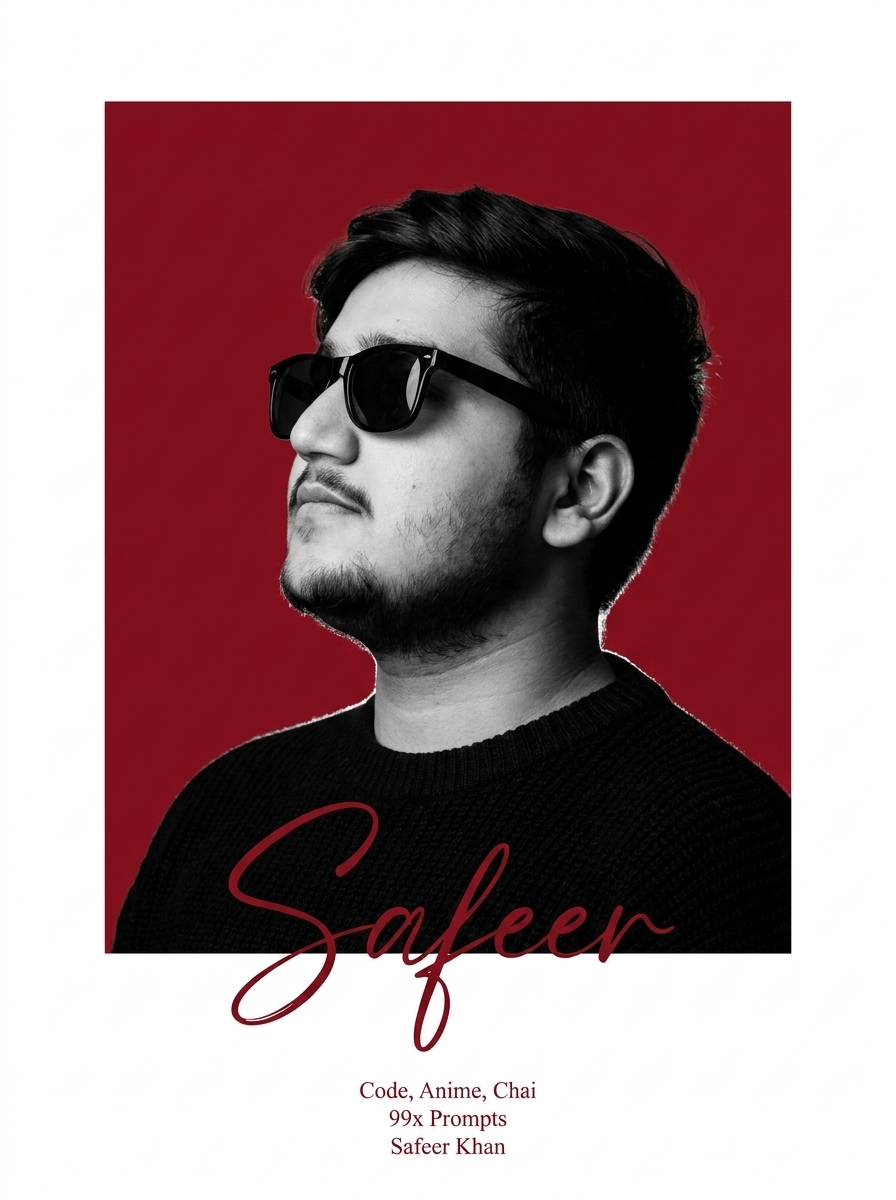
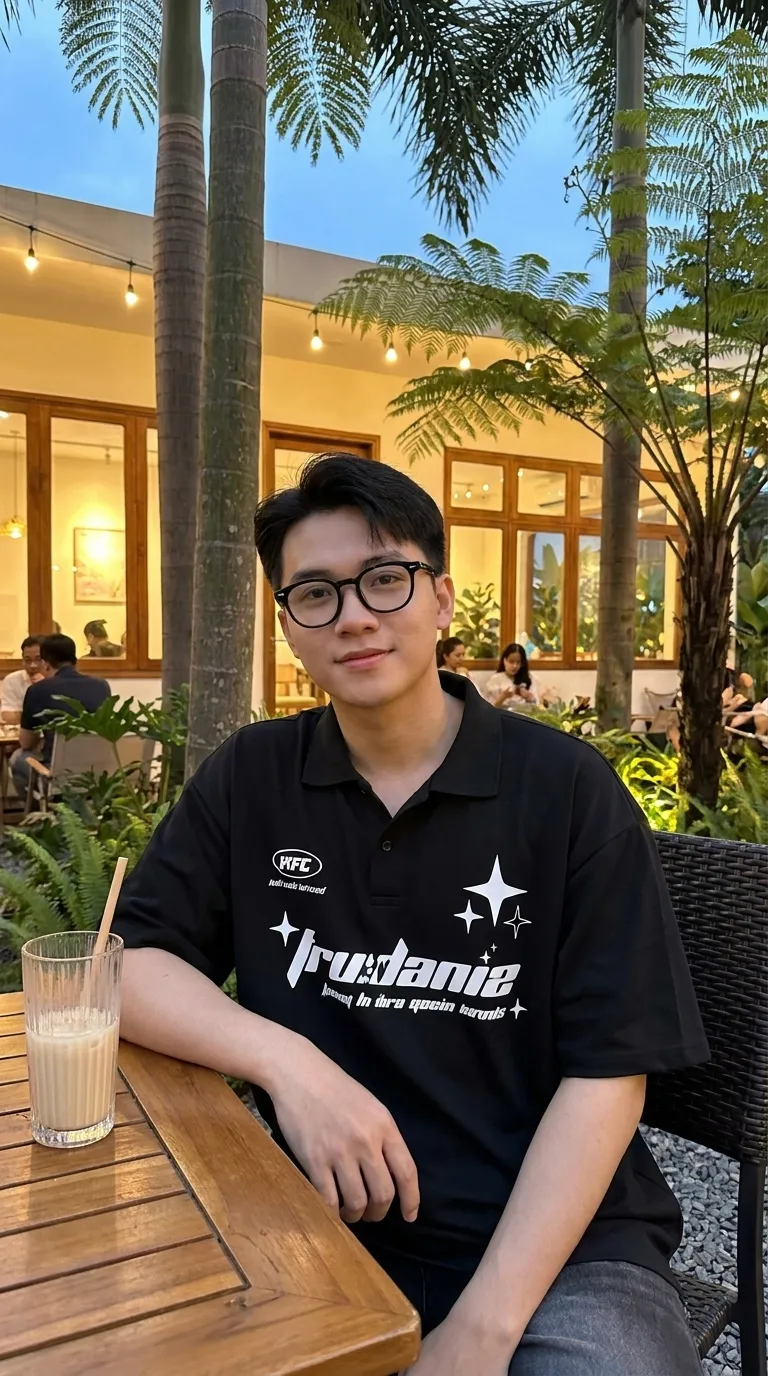
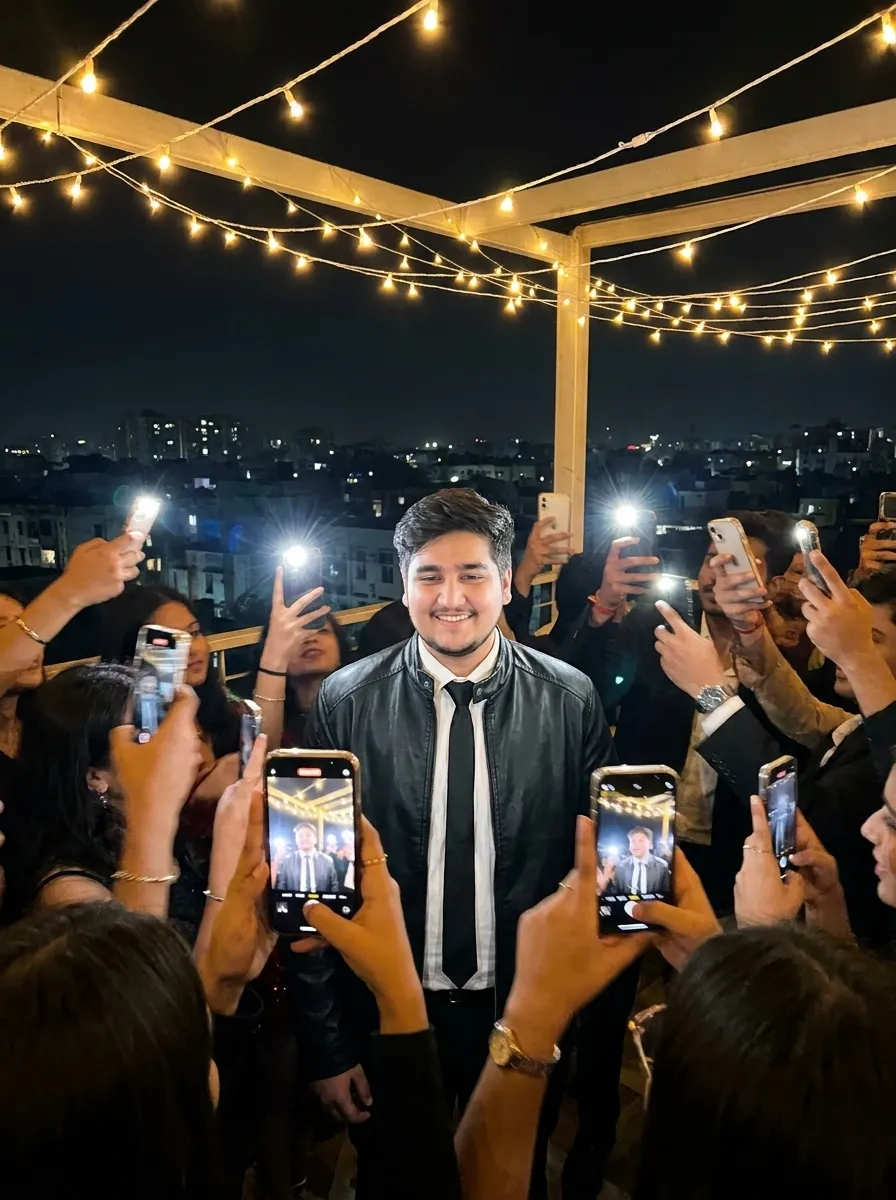
Trending AI Image Prompts



Trending AI Video Prompts
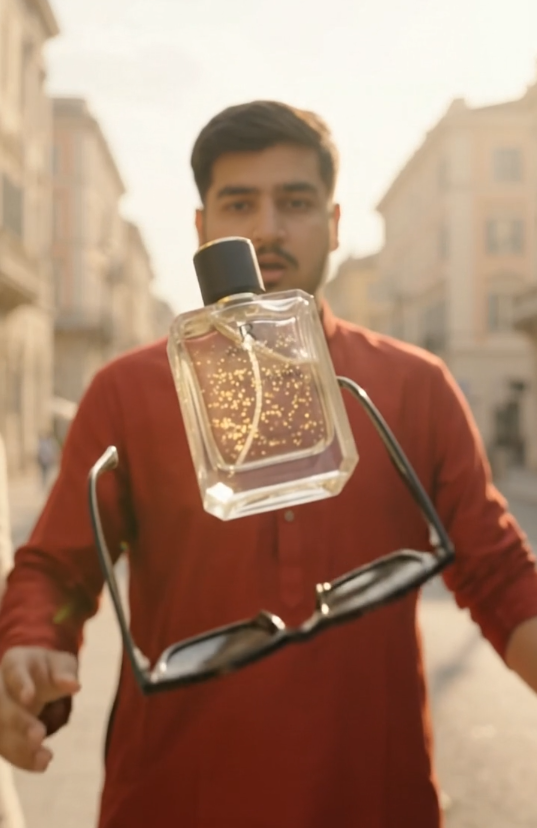 0:12
0:12 0:12
0:12 0:12
0:12